DEFENCE NEWS
The following stories have been published by Defence in various forms, including Army News. Links to the full, original stories are provided where they are available.
Who you gunna call?

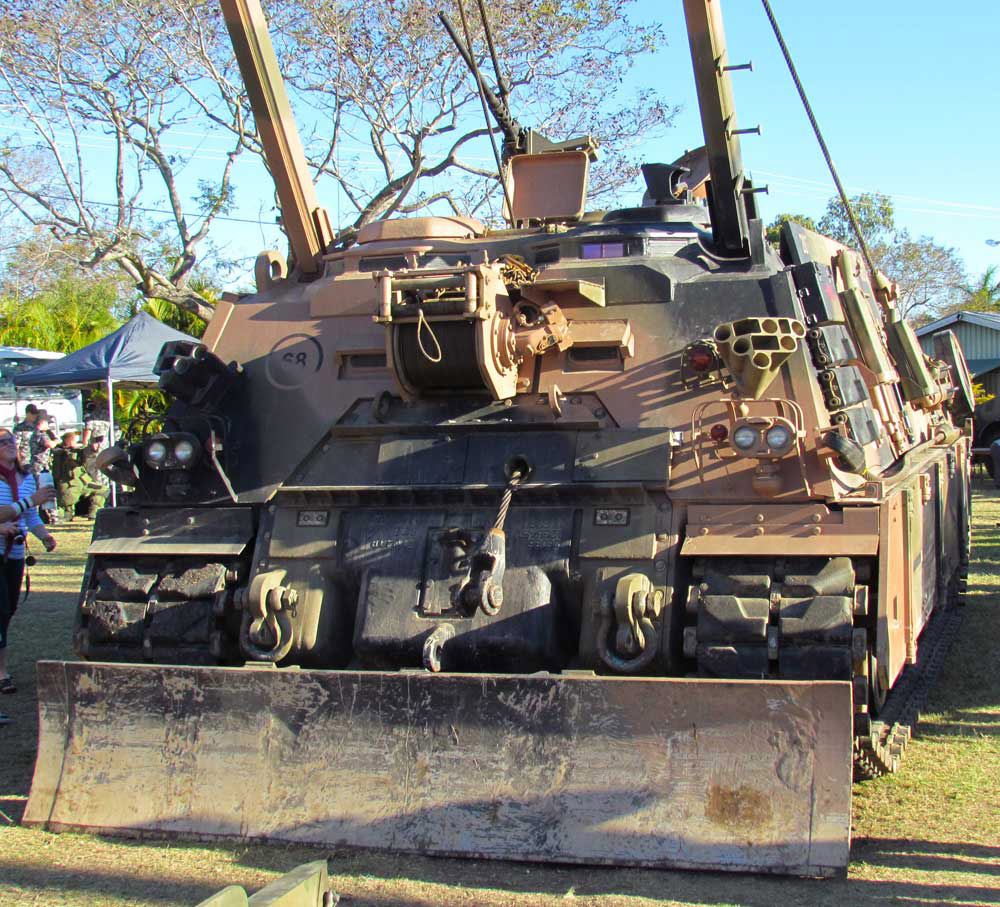
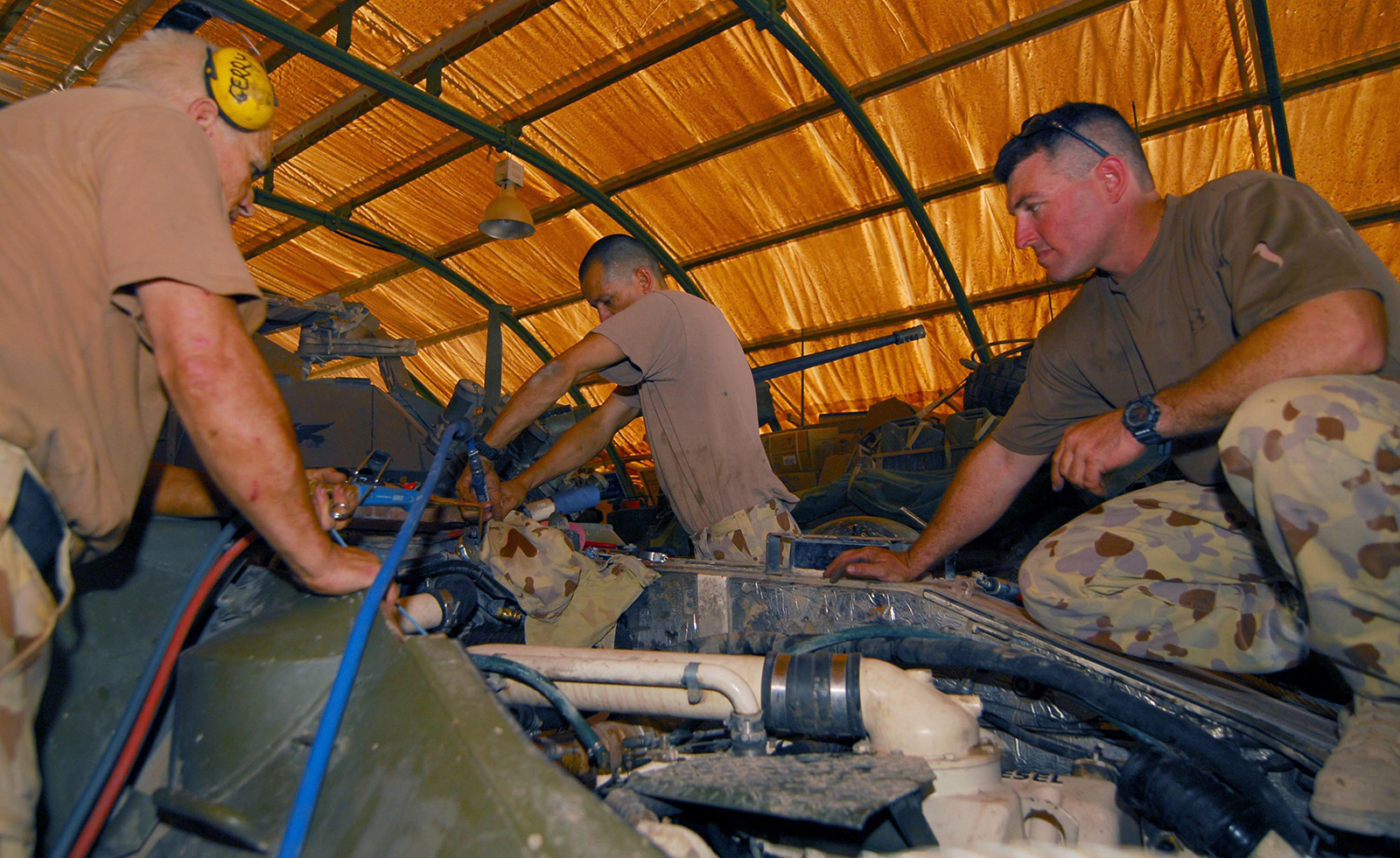
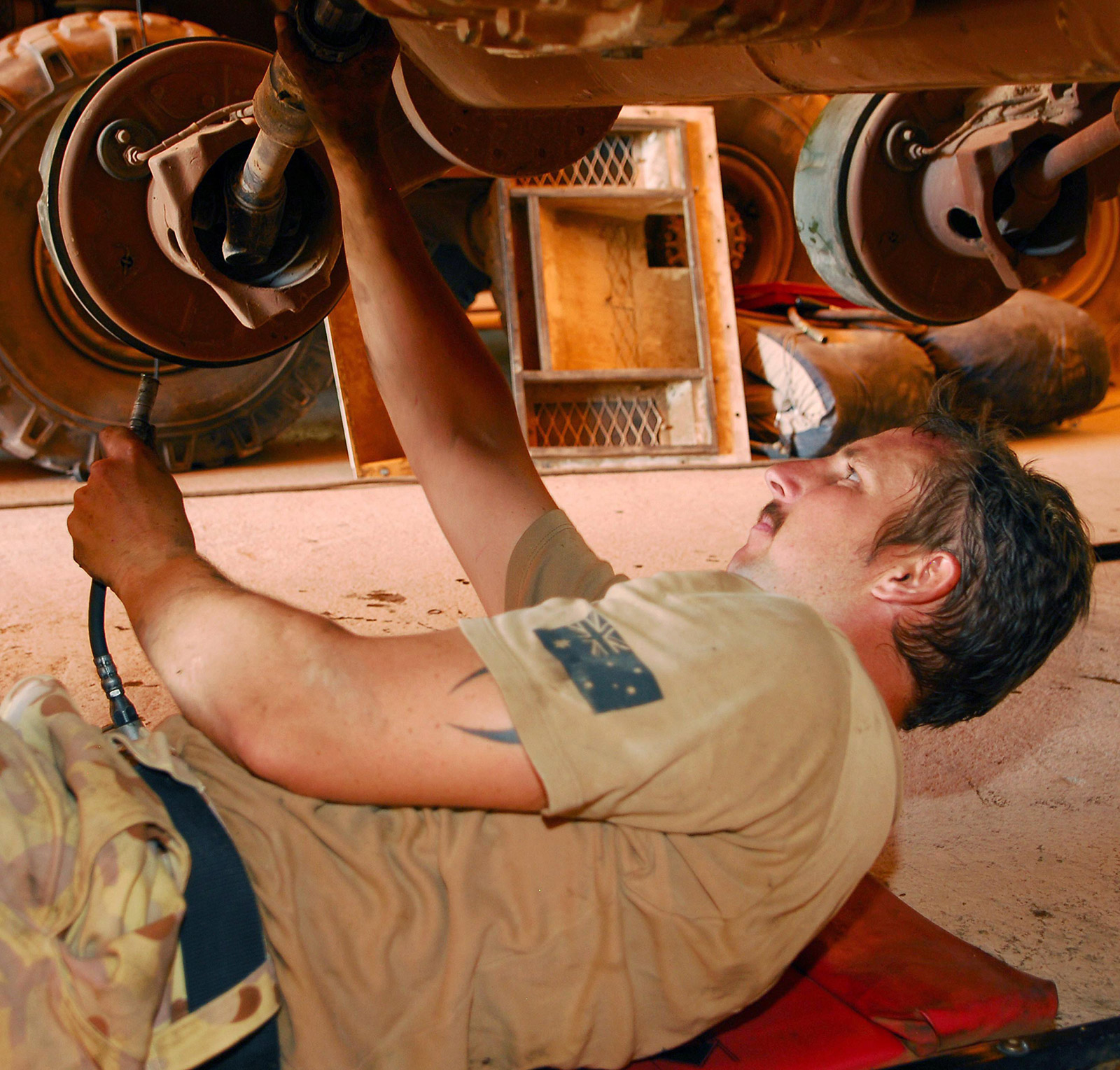
WHILE combat units manoeuvred across the Townsville Field Training Area during Exercise Southern Jackaroo, Army recovery mechanics worked behind the scenes to recover damaged and immobilised vehicles.
Operating across difficult terrain and often away from the spotlight, CFN Aiden Nydrle, a recovery mechanic attached to 2 Cav Regt, said they played a critical role in sustaining battlefield mobility and preserving valuable capability during large-scale training activities.
For the full story, click here.
RUTHLESS program marches forward

Updates from the Reducing Unnecessary Tasks to Help Lethality, Efficiency & Strategic Success (RUTHLESS) program include:
- Non-fair wear inspection. Army policy (Land materiel maintenance standard operating procedures) has been updated to remove the requirement for non-fair-wear inspections for unexpected damage to land materiel. The policy changes include removing the requirement to conduct a complete technical inspection that details a total cost breakdown, the introduction of a technical damage assessment for non-fair-wear, and amendments to align the new processes with the introduction of SAP S4.
- AIRN data input – weapons. Following CA’s removal of AIRN requirements, there is no longer a need to print, sign, scan and upload documentation for weapons training tests and WTSS shoots. This change is estimated to save more than 7000 hours of administrative effort annually.
For the full story, click here.
Readiness no longer a checklist

Army's approach to operational readiness has been changed to reflect the realities of modern warfare, with the removal of the Army Individual Readiness Notice (AIRN).
Under Project RUTHLESS, the AIRN framework was removed on July 1 to restore command and individual accountability on how soldiers meet their readiness for modern combat.
For the full story, click here.
The ‘boffins’ who keep Army’s Apaches in the air

While Australian AH-64E Apaches fired Hellfire missiles, rockets and the 30mm gun on Exercise Possum Guns, aviation maintainers from 1 Avn Regt worked to keep the fleet in the sky and guns blazing.
Avionics technicians such as CPL Jamen Caulfield maintain the Apache’s electrical and electronic systems, including navigation, weapon sighting and communications.
Known as ‘boffins’, they diagnose faults reported by the pilots, test and calibrate communications and sighting systems, and replace faulty components.
They also conduct pre-flight checks in the workshop and stand by on the flightline immediately before Apaches launch, for last-minute troubleshooting.
For the full story, click here.
Keeping vets connected

Veterans transitioning to civilian life are now able to continue accessing Defence bases for up to two years under a new program created in response to Recommendation 82 of the Royal Commission into Defence and Veteran Suicide.
The first Veteran Defence Common Access Card (DCAC) recipient under the program, David Humphry, who spent 50 years in the ADF, said it was important to maintain strong connections with former colleagues following transition from full-time service.
For the full story, click here.
RAEME Trialling New Equipment
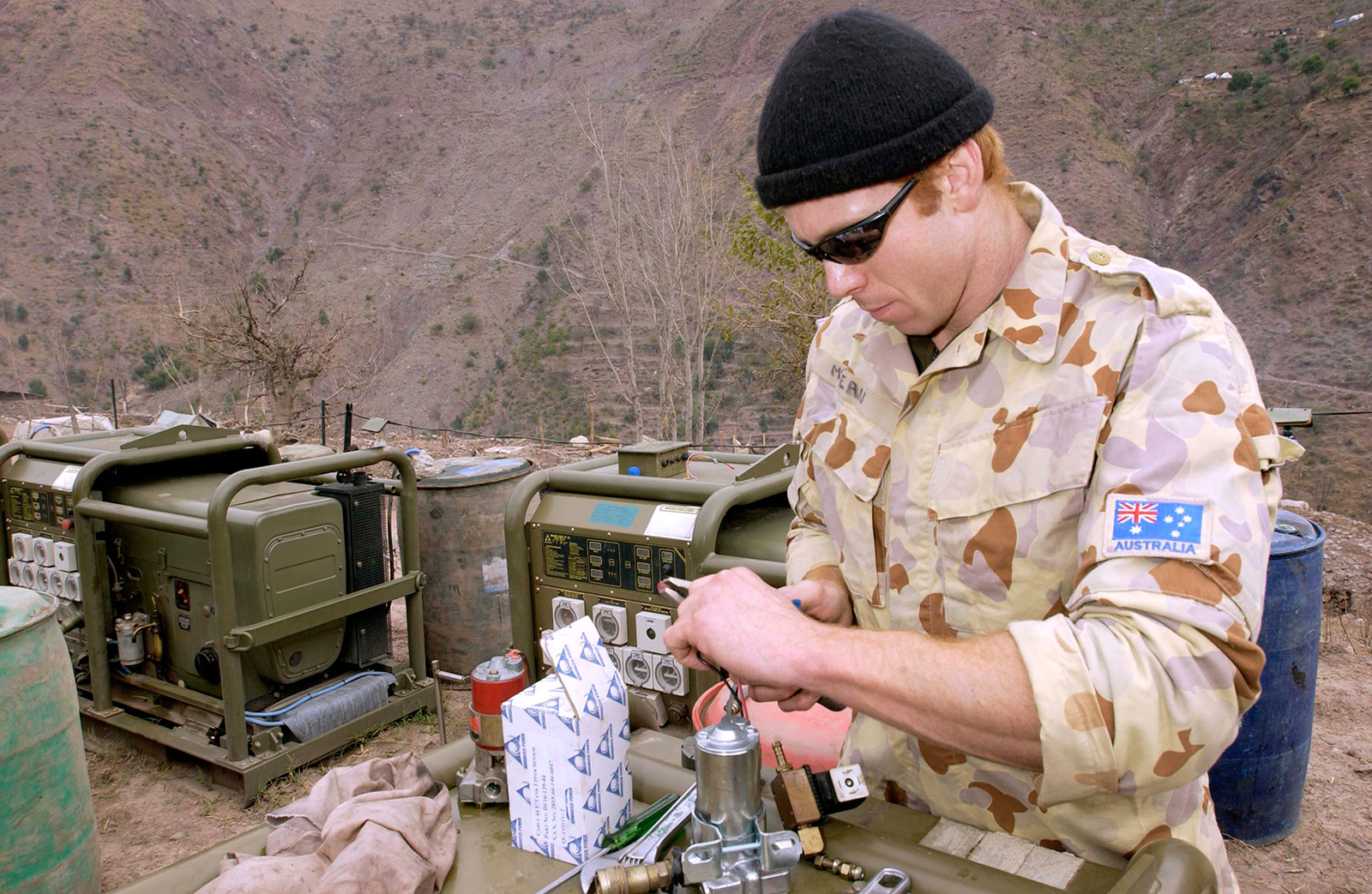
The Australian Army is exploring Advanced Manufacturing applications for the land domain as part of a Joint Logistics Command-led, Defence-wide effort. Advanced Manufacturing capability is enhancing supply chain resilience, operational adaptability, and interoperability. This activity brings together Joint Logistics Command, Joint Logistics Unit – Victoria, Defence Science and Technology Group and the Services working collaboratively to trial and operationalise Advanced Manufacturing sustainment techniques.
Additional photos are available by clicking here.


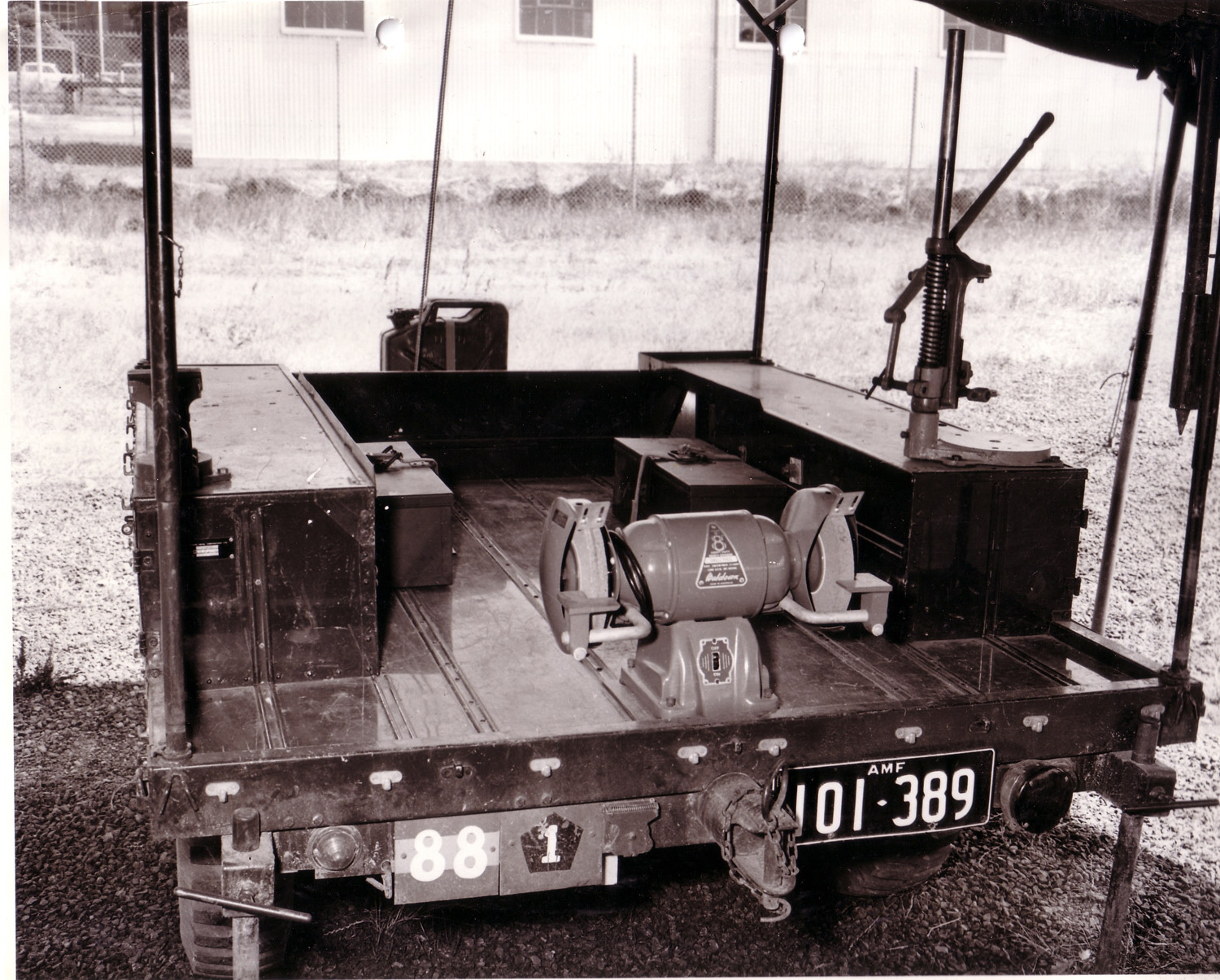
A Heavy Stores Module converted into a deployable advanced manufacturing shelter deployed to Cultana, South Australia.
Hosting the Crown Prince of Brunei
His Royal Highness Prince Haji Al-Muhtadee Billah, the Crown Prince and Senior Minister at the Prime Minister’s Office of Brunei recently visited Australia and who better to host him than one of our own, MAJGEN Andrew Freeman.
You can find more details about and photos from this event on the Defence Imagery website.
Salary extension to improve retention
Eligible personnel transferring into critical trades will maintain their current higher salary for up to five years, under the new salary extension pilot.
The program, which will run until April 2028, targets SERCAT 6 and 7 members from private to sergeant and lieutenant to captain. The initiative aims to improve retention by removing a financial barrier often associated with changing employment categories.
Personnel can choose from 15 designated critical categories across logistics, engineering, aviation, cyber and communications.
This includes high-demand roles such as aircraft technician, recovery technician and battlespace communications specialist.
Members can also transfer into vital support positions such as chefs or retrain as signals officers and pilots.
Approved personnel keep their higher salary for five years or until their new trade’s pay catches up.
However, this salary extension offer does not extend to members currently drawing specialist rates, such as medical officers, chaplains and legal officers.
Those interested in switching trades without taking a pay cut are encouraged to contact a trade-transfer-and-retention WO to discuss options.
Fact sheets, process guidelines and official application channels have been centralised on the designated Army salary site.
For the full story, click here.